September 25, 2026
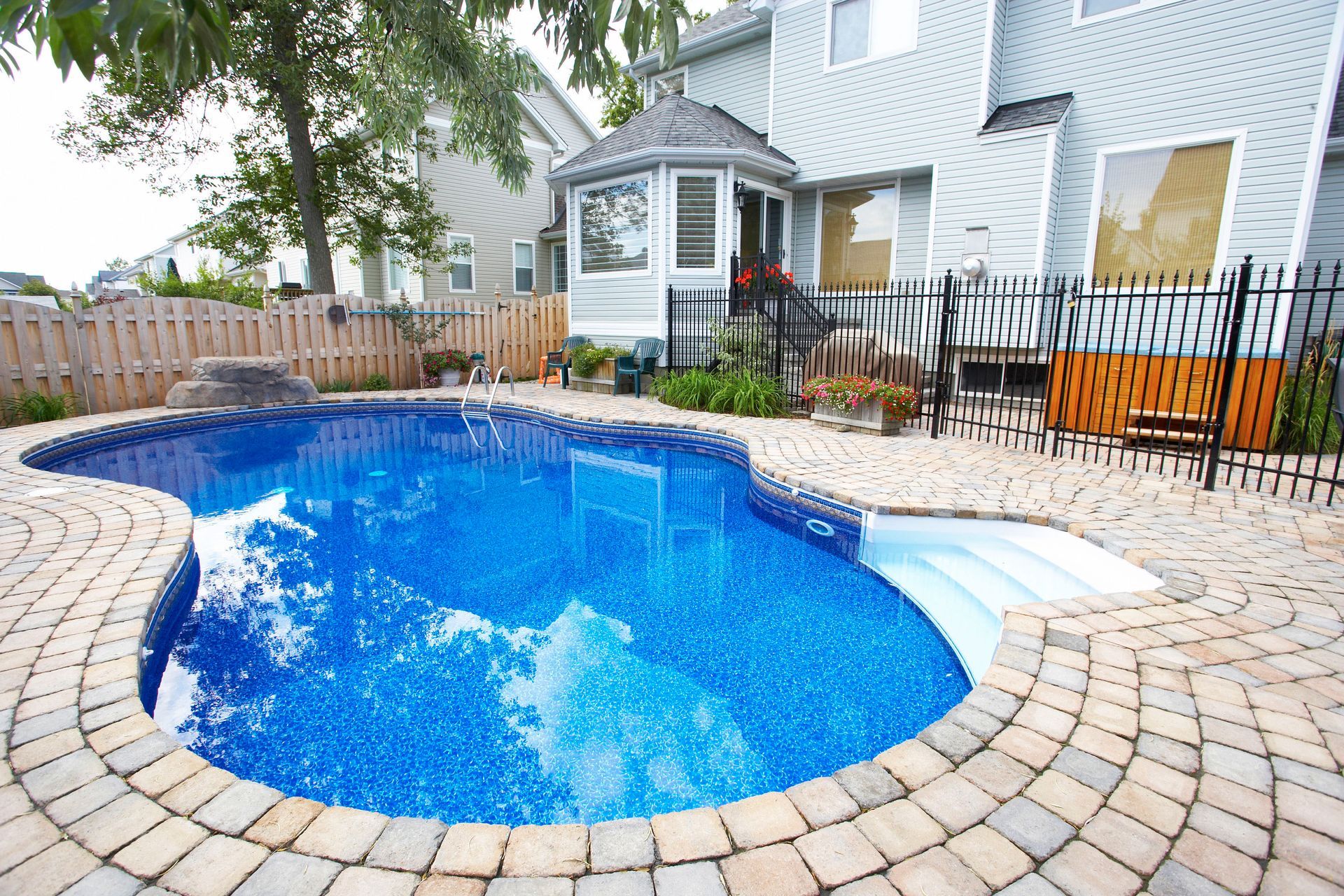
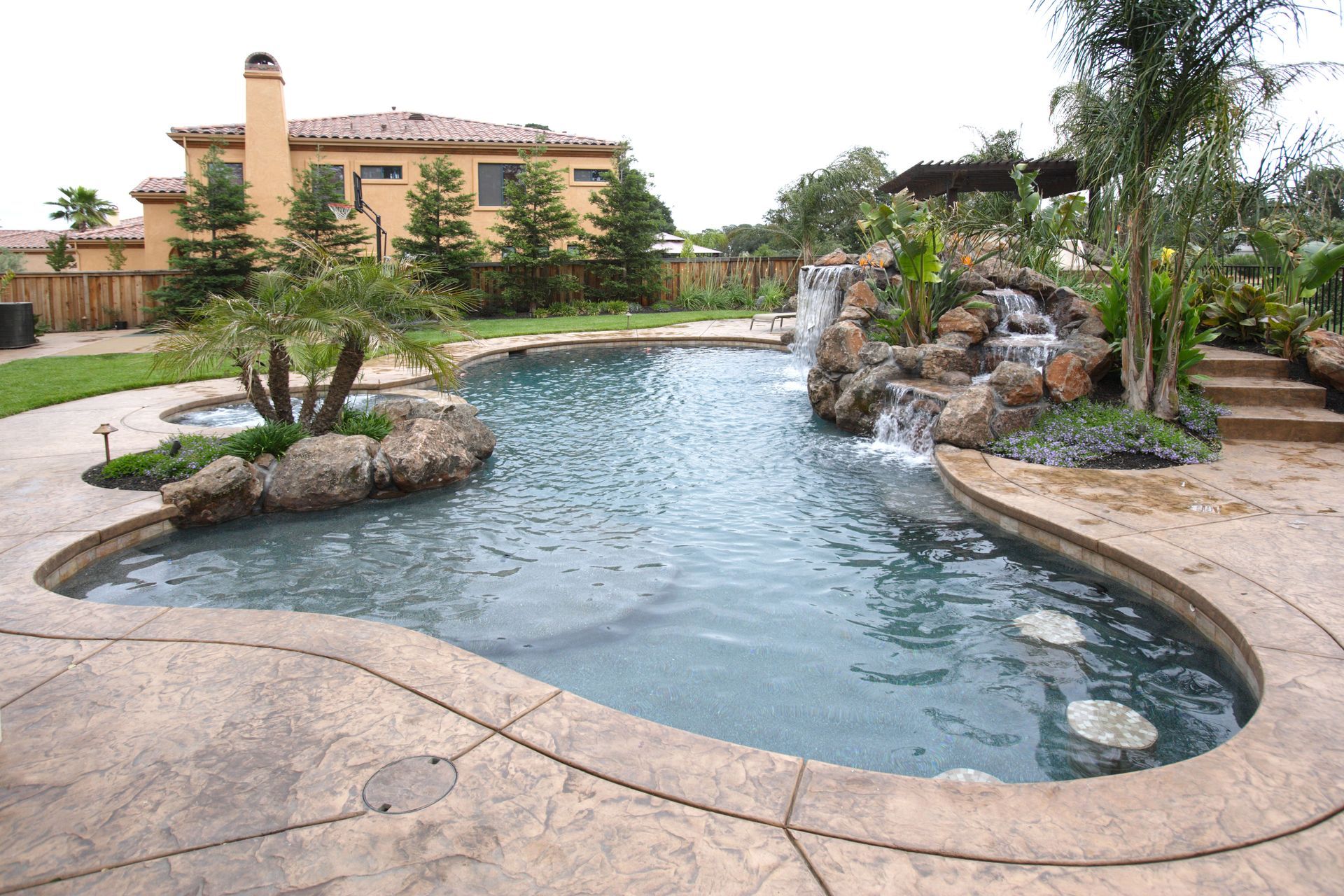
When it comes to swimming pool installation, patience is not just a virtue but a necessity. Rushing construction can lead to structural problems, drainage concerns, premature material failure, and increased maintenance expenses. Taking the time to properly plan and execute each stage helps protect the longevity and safety of the pool while giving property owners greater confidence in the finished project. A pool is a significant investment, so careful preparation can make the difference between a long-lasting backyard feature and a source of recurring problems. A thoughtfully completed project can also enhance the appearance, functionality, and potential value of a property. From evaluating the site to choosing materials and completing final inspections, every stage deserves careful attention. According to HomeGuide, building an inground pool takes 8 to 12 weeks on average, illustrating why homeowners should expect the process to require time. Understanding what happens during swimming pool installation can help property owners appreciate why contractors should not take shortcuts simply to finish sooner.
Begin With a Thorough Site Assessment
Before excavation begins, contractors need to carefully assess the proposed location of the pool. Soil type, topography, drainage, underground utilities, available space, and equipment access can all influence construction. Different soil conditions may require different foundation or stabilization techniques. Clay-rich soil, for example, can expand and contract as moisture levels change, creating challenges that need to be addressed before the pool shell is constructed.
Site accessibility is another important consideration. Contractors need enough room to safely bring excavation equipment, construction materials, and other machinery onto the property. Existing landscaping, fences, buildings, slopes, or narrow access points may require additional planning. Identifying these challenges before work starts allows contractors to develop practical solutions rather than making rushed adjustments once construction is underway.
Customize the Pool Around Property Needs
Customization is an important part of swimming pool installation because homeowners often have different expectations for how they plan to use their outdoor spaces. Size, shape, depth, entry points, decking, lighting, and water features should all be discussed before construction. A family interested primarily in recreation may have different priorities than someone who wants a pool for exercise, entertaining, or relaxation.
Thoughtful customization also considers how the pool will interact with the rest of the property. Decking materials, landscaping, outdoor kitchens, seating areas, and existing architectural features can influence design choices. Taking sufficient time during this stage reduces the likelihood of expensive changes after excavation or construction has already begun. It also helps create a finished space that feels integrated with the home rather than added as an afterthought.
Establish a Realistic Budget and Timeline
Proper budgeting goes beyond estimating the basic cost of the pool shell. Excavation, plumbing, electrical work, filtration equipment, decking, landscaping, permits, safety barriers, and finishing materials can all affect the total investment. Unexpected site conditions may also create additional expenses. Establishing a realistic budget early gives property owners and contractors a clearer framework for making decisions throughout the project.
A realistic timeline is equally important. Certain construction stages depend on previous work being completed correctly, and materials may require appropriate curing or setting periods. Weather conditions, inspections, material availability, and site complexity can also influence progress. Rushing swimming pool installation simply to meet an unrealistic completion date may compromise work that should be given additional time.
Follow Local Codes and Safety Requirements
Pool projects typically need to comply with local building, electrical, plumbing, zoning, and safety requirements. Depending on the jurisdiction, regulations may address setbacks, fencing, gates, alarms, drainage, electrical bonding, and other important details. Contractors should identify applicable requirements and obtain necessary permits before beginning work rather than addressing compliance after construction is underway.
Safety barriers deserve particular attention. Proper fencing and self-closing or self-latching gates can help control access to the pool area. Electrical components also need to be installed according to applicable standards because water and electricity create serious hazards when systems are improperly configured. Allowing enough time for inspections and corrections helps ensure that safety remains a priority throughout construction.
Prepare and Stabilize the Ground
The condition of the ground beneath and around a pool directly affects long-term structural performance. Excavation needs to follow the planned dimensions, while the surrounding soil may require compaction, drainage improvements, or stabilization. Contractors should account for groundwater, slopes, soil movement, and other site-specific factors before moving forward with structural construction.
Skipping proper ground preparation can contribute to settling, cracking, shifting, or drainage problems later. In challenging locations, structural engineers or other specialists may recommend retaining walls, specialized drainage, or additional reinforcement. Careful preparation during swimming pool installation creates a dependable foundation for the work that follows and can reduce the possibility of expensive structural repairs.
Use Reinforced Construction Methods
Pool structures must withstand substantial forces from the water inside the pool and the surrounding soil outside it. Reinforcement techniques involving steel, concrete, and other structural materials help the pool resist these pressures. Placement, spacing, material quality, and workmanship all matter when creating a durable shell. Contractors therefore need adequate time to complete reinforcement according to the design specifications.
Concrete and similar materials may also require specific curing periods before subsequent construction stages can proceed. Trying to accelerate these processes can undermine material performance. Proper attention to corners, joints, steps, plumbing penetrations, and connections with surrounding structures can further protect the pool from cracking or leaking as conditions change over time.
Prioritize Waterproofing and Drainage
Waterproofing plays a major role in protecting both the pool shell and surrounding property. Depending on the construction method, contractors may use membranes, coatings, sealants, or other systems to create an effective water-resistant barrier. Surfaces must be correctly prepared before these products are applied, and manufacturers' instructions regarding application and curing should be followed.
Drainage outside the pool is just as important. Rainwater and groundwater should be directed away from vulnerable areas instead of accumulating around the structure. A carefully planned swimming pool installation considers both keeping pool water inside the structure and controlling water outside it. These measures can help prevent erosion, soil movement, moisture problems, and premature deterioration.
Select Materials for Long-Term Performance
Materials should be selected according to durability, appearance, maintenance needs, climate, and exposure conditions. Pool finishes, tiles, coping, decking, plumbing components, and metal fixtures must routinely withstand water, chemicals, sunlight, temperature fluctuations, and regular use. Choosing products primarily because they are inexpensive or immediately available can result in higher repair or replacement costs later.
Working with dependable suppliers can help contractors obtain materials that meet project specifications. Local suppliers may also provide products suited to regional weather conditions while reducing transportation delays. Homeowners can additionally explore sustainable options, including energy-efficient pumps, efficient filtration equipment, solar-powered features, and durable decking materials that require less intensive upkeep.
Allow Time for Plumbing and Electrical Systems
A pool depends on an interconnected network of plumbing and electrical components. Pumps, filters, heaters, drains, returns, lighting, controls, and optional water features need to be positioned and connected properly. Errors hidden behind finished surfaces can be difficult and expensive to correct, making careful installation and testing especially important.
Professionals should inspect connections and test relevant systems before surrounding areas are permanently finished. Pressure testing plumbing can help reveal leaks while lines are still accessible. Electrical work also requires close attention to grounding, bonding, equipment placement, and applicable safety requirements. This stage demonstrates why speed should never take priority over accuracy.
Taking additional time during construction can contribute to better durability, safety, appearance, and long-term performance. Property owners should focus on careful planning, appropriate materials, skilled workmanship, and consistent quality control rather than simply pursuing the fastest completion date. A pool designed and built with patience can become a dependable part of the property, providing a comfortable place for recreation, relaxation, and gatherings for many years. Contact our team at Everclear Pool & Backyards Co today and learn more about our swimming pool maintenance services.